A sharp knife is one of the most important tools in any kitchen, workshop, or professional cutting environment. Whether you’re a professional chef, home cook, outdoor enthusiast, or sharpening professional, maintaining a sharp edge improves cutting performance, accuracy, and safety. The Do’s and Don’ts of Knife Sharpening: How to Keep Your Knives Sharp and Performing Their Best
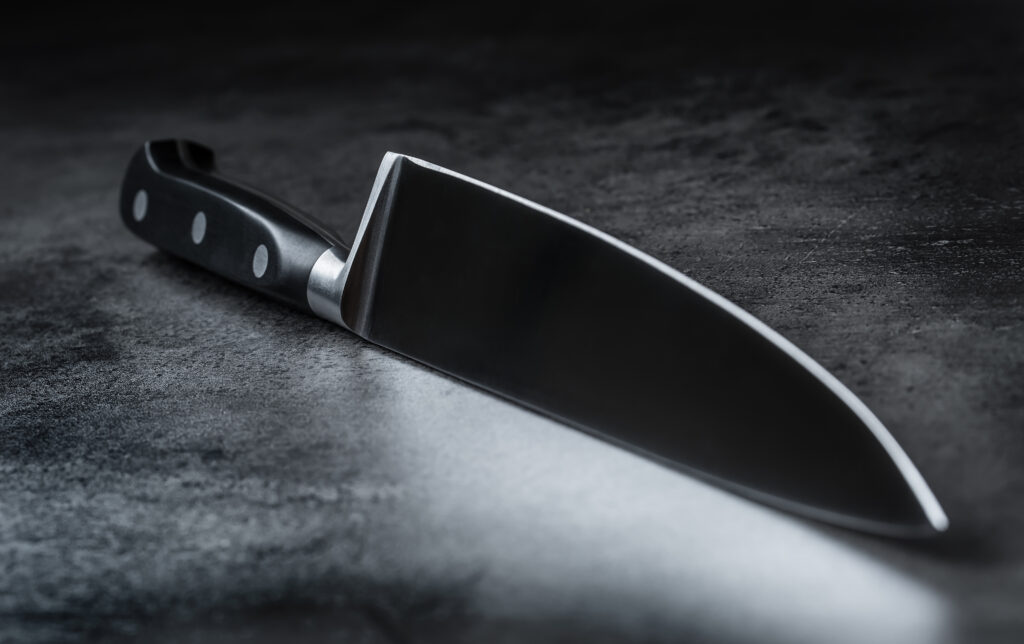
However, knowing how to sharpen a knife properly is just as important as having the right equipment. Using the wrong technique, applying too much pressure, or choosing an inappropriate sharpening surface can damage a blade and shorten its lifespan.
At SharpeningSupplier.com, we understand the importance of quality sharpening equipment and proper sharpening techniques. Here are some essential do’s and don’ts of knife sharpening to help you get the best results from your blades.
The Do’s of Knife Sharpening
1. DO Choose the Right Sharpening Stone
Not all sharpening stones are created equal. Different stones offer different levels of abrasiveness, making it important to choose the right stone for your knife and its condition.
- Coarse sharpening stones are useful for repairing damaged edges and reshaping dull blades.
- Medium-grit stones are ideal for routine sharpening and restoring a working edge.
- Fine-grit stones help refine and polish an already sharp edge.
Selecting the appropriate sharpening stone helps maintain the blade’s geometry while achieving a consistent cutting edge.
2. DO Maintain a Consistent Sharpening Angle
Maintaining a consistent sharpening angle is one of the most important parts of proper knife sharpening.
Different knives are designed with different edge angles. Using a consistent angle throughout the sharpening process helps create an even edge and improves cutting performance.
If you’re unsure of the correct angle, consult the knife manufacturer’s recommendations before beginning.
3. DO Use Proper Sharpening Technique
Good sharpening requires patience, control, and consistency. Apply even pressure and use controlled strokes across the sharpening surface.
Avoid rushing through the process. Take your time to work along the entire cutting edge, paying attention to the heel, middle, and tip of the blade.
A consistent technique produces more predictable results and helps prevent uneven sharpening.
4. DO Keep Your Sharpening Stones Clean and Maintained
Your sharpening equipment needs maintenance just like your knives.
Depending on the type of sharpening stone, regular cleaning, flattening, or conditioning may be necessary. Water stones, oil stones, and diamond sharpening surfaces all have different care requirements.
Always follow the manufacturer’s instructions to maintain the effectiveness and longevity of your sharpening equipment.
5. DO Remove the Burr Properly
During sharpening, a small burr may develop along the opposite side of the blade. This indicates that the abrasive has reached the edge.
Properly removing the burr is an important step in producing a clean, refined cutting edge.
Use lighter pressure as you finish sharpening, alternating sides when appropriate. A finishing stone or appropriate honing technique can help refine the edge.
6. DO Practice Safe Knife Handling
Always pay attention to blade position and hand placement while sharpening.
Keep your fingers away from the cutting edge, stabilize your sharpening stone, and work on a secure surface.
A sharp knife is easier to control when used correctly, but it still requires careful handling.
The Don’ts of Knife Sharpening
1. DON’T Apply Excessive Pressure
One common sharpening mistake is pressing too hard against the stone.
Excessive pressure can remove more material than necessary, create an inconsistent edge, and make it difficult to maintain the correct angle.
Let the abrasive surface do the work. Controlled pressure and consistent strokes generally produce better results.
2. DON’T Use the Wrong Sharpening Angle
Changing the sharpening angle throughout the process can create an uneven edge.
An incorrect angle may also remove unnecessary material or alter the blade’s original geometry.
Take time to understand the recommended edge angle for your particular knife before sharpening.
3. DON’T Ignore Your Sharpening Stone’s Condition
A worn, clogged, or uneven sharpening stone can negatively affect your results.
For example, water stones can develop uneven surfaces with repeated use. If a stone is no longer flat, maintaining a consistent sharpening angle becomes more difficult.
Inspect your sharpening equipment regularly and maintain it according to the manufacturer’s recommendations.
4. DON’T Sharpen a Dirty Knife
Food residue, grease, dirt, and other contaminants can interfere with sharpening and affect your equipment.
Clean and dry your knife before sharpening, following the care recommendations for the blade material.
Keeping your tools clean also helps protect your sharpening stones and other equipment.
5. DON’T Confuse Honing with Sharpening
Honing and sharpening serve different purposes.
Sharpening removes material to create a new cutting edge. Honing helps maintain or realign an existing edge, depending on the tool and blade type.
Regular honing can help extend the time between sharpening sessions, but it cannot replace sharpening when a blade has become genuinely dull.
6. DON’T Forget to Test Your Edge Safely
After sharpening, check the blade’s performance using an appropriate, controlled cutting test.
Avoid testing sharpness by running your finger along the cutting edge. Never use your hand to determine whether a blade is sharp.
A properly sharpened knife should cut cleanly and predictably when used with the appropriate technique.
How Often Should You Sharpen Your Knives?
There is no single sharpening schedule that works for every knife.
How frequently you need to sharpen depends on several factors:
- How often the knife is used.
- The type and hardness of the blade steel.
- The materials being cut.
- The cutting surface.
- How well the knife is maintained between sharpening sessions.
Professional kitchen knives used daily may require more frequent maintenance than knives used occasionally at home.
Rather than waiting until a knife becomes extremely dull, monitor its cutting performance and maintain the edge regularly.
Why Quality Knife Sharpening Supplies Matter
The quality of your sharpening equipment can make a significant difference in your results.
Investing in dependable sharpening stones, diamond sharpening products, and other professional sharpening accessories helps you maintain better control over the sharpening process.
Whether you’re maintaining everyday kitchen knives or working with specialized cutting tools, having the right equipment makes sharpening more efficient and consistent.
At SharpeningSupplier.com, we offer sharpening products designed to help enthusiasts and professionals get more out of their cutting tools.
Explore our selection of sharpening stones and accessories to find the equipment you need.
Final Thoughts: Sharpen Smarter, Not Harder
Proper knife sharpening is a combination of technique, patience, and quality equipment. By following these do’s and don’ts, you can help preserve your blades, improve cutting performance, and get more life out of your knives.
Remember: use the right sharpening stone, maintain a consistent angle, avoid excessive pressure, and take care of your sharpening equipment.
Ready to improve your sharpening results?
Visit SharpeningSupplier.com and explore our selection of sharpening stones and supplies. Find the tools you need to maintain sharper edges and get the best performance from your knives.